What to Know Before Visiting an Emergency Dentist in Plano, TX After an Accident
An accident has a way of collapsing time. One minute you are driving through Plano, coaching a kid’s soccer game, stepping off a curb, or finishing a workout, and the next minute you are dealing with blood in the sink, a cracked tooth, or a sharp pain that was not there thirty seconds ago. Dental injuries feel especially unsettling because they affect basic things you normally do without thinking, speaking, swallowing, closing your mouth, even deciding whether the pain is tolerable enough to wait.
If you are looking for an Emergency dentist Plano, TX after an accident, the biggest advantage is not just speed. It is knowing what kind of injury needs immediate dental treatment, what you should do before you leave home, and how to avoid making the damage worse on the way to the office. In urgent cases, those first thirty to ninety minutes matter.
Not every dental injury looks dramatic, but many are time-sensitive
A lot of people expect a true dental emergency to be obvious. Sometimes it is. A front tooth is knocked out on a basketball court. A piece of tooth breaks off after a fall in the garage. Your lip is swelling, your bite feels wrong, and you cannot tell whether the tooth is merely chipped or actually loosened in the bone.
Other cases are less clear. A patient may call hours after a car accident and say the teeth seem “fine,” but their jaw feels sore and one molar hurts when they bite down. That can signal a cracked cusp, trauma to the ligament around the tooth, or even a root fracture that does not show much externally at first. Delaying care in that kind of situation can turn a manageable repair into a root canal, extraction, or a more expensive restoration later.
Blunt trauma can injure more than the visible enamel. Teeth sit in bone and are cushioned by a specialized ligament. The nerve inside the tooth can be bruised. The supporting bone can crack. Fillings, crowns, and veneers can loosen even if the tooth structure under them remains intact. After an accident, pain is only one clue. Sensitivity to cold, a change in bite, mobility, gum bleeding around one tooth, or a tooth that suddenly looks slightly shorter or longer than the one next to it all deserve attention.
The first hour matters more than most people realize
What happens before you reach the dental office can affect the outcome. A knocked-out permanent tooth is the classic example. The best chance of saving it comes when it is replanted quickly, ideally within about 30 minutes, though there may still be hope beyond that depending on how the tooth was handled and stored. A dislodged tooth that has shifted position may sometimes be stabilized more predictably if addressed soon. Even a fractured tooth with exposed dentin or pulp benefits from prompt coverage because that inner tissue is vulnerable to contamination and dehydration.
The practical problem is that most people are rattled, embarrassed, or distracted by the broader accident. If a child falls off a bike, a parent may focus first on scraped knees and tears. If an adult is in a fender-bender, they may be dealing with police, insurance, and neck stiffness. Teeth become an afterthought until the adrenaline fades. By then, swelling can be setting in and the window for the best outcome may be narrower.
If there is heavy facial bleeding, suspected head trauma, trouble breathing, loss of consciousness, severe jaw displacement, or signs of a possible concussion, emergency medical care comes first. A dental office is not a substitute for an ER when the airway, brain, or facial bones may be involved. But many accident-related dental injuries fall squarely into the lane of an emergency dentist, and those are the cases where timely dental treatment can preserve teeth that might otherwise be lost.
What to do before you leave for the appointment
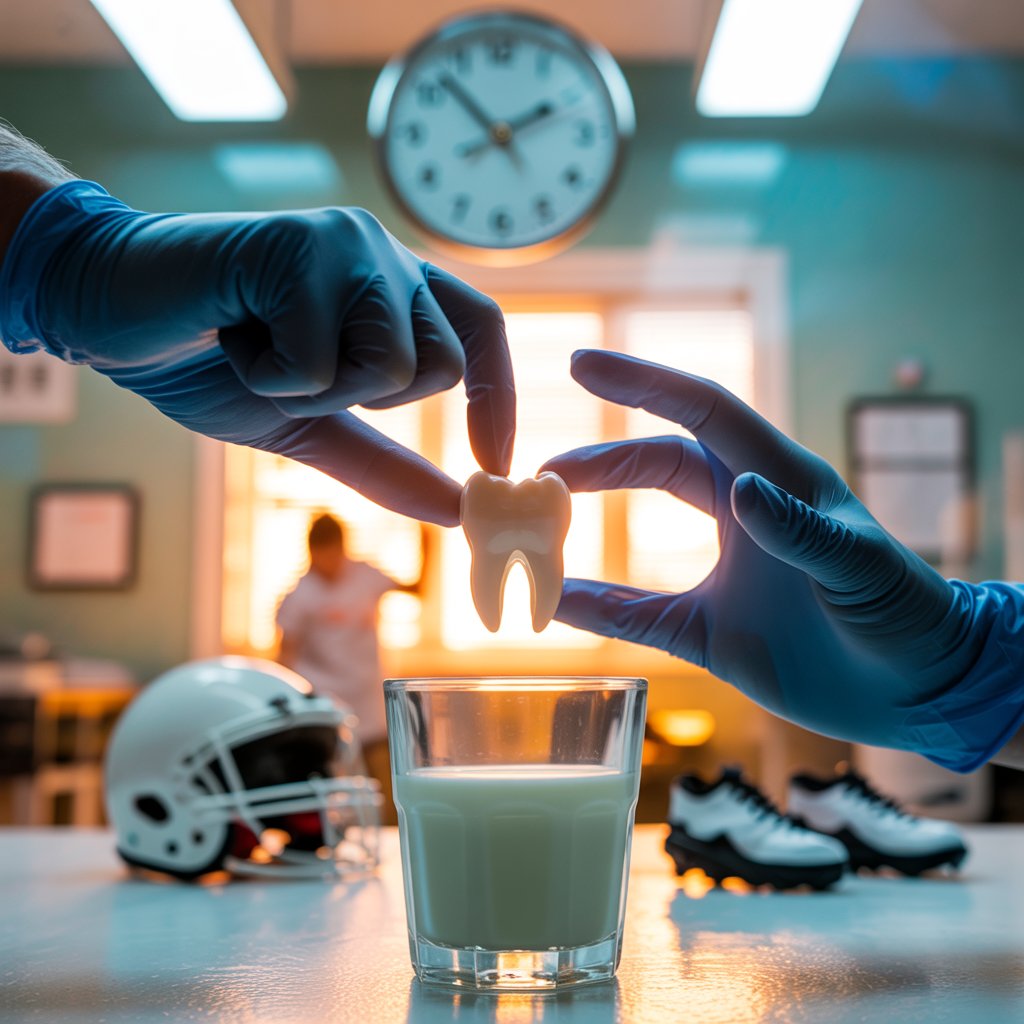
The right first aid is simple, but details matter. If a permanent tooth has been knocked out, pick it up by the crown, not the root. If it is dirty, rinse it gently with milk or saline if available, or with a light stream of water for just a few seconds. Do not scrub it, do not scrape it, and do not wrap it in tissue. If the person is alert and Emergency dentist Plano, TX cooperative, the tooth can sometimes be placed back into the socket. If that is not possible, store it in milk or in a tooth preservation solution if you happen to have one. Saliva can be used in some cases, but only if there is no risk of swallowing the tooth.
For a broken tooth, save the fragment if you can find it. Sometimes a cleanly broken piece can help with repair planning, and in certain cases it may even be bonded back. Rinse the mouth gently with warm water. A cold compress on the outside of the face can help with swelling. If there is bleeding, light pressure with clean gauze usually controls it.
These immediate steps are worth remembering:
- Control bleeding with clean gauze and steady pressure.
- Preserve any tooth or fragment carefully, especially a knocked-out permanent tooth.
- Use a cold compress on the cheek for swelling and pain.
- Avoid chewing, smoking, alcohol, and very hot foods or drinks.
- Call the dental office before you leave so the team can prepare for your arrival.
That last point is often overlooked. When you call ahead, the office can ask targeted questions. Was the tooth completely avulsed or just moved? Is there uncontrolled bleeding? Is the patient on blood thinners? Is the injury to a baby tooth or a permanent tooth? Those details help the team determine urgency and tell you whether to come directly in or head to the hospital first.
Why the type of accident changes the dental exam
A sports collision is not the same as a car accident. A fall down stairs is not the same as biting hard on a fork during a sudden stop. The mechanics of the injury affect what the dentist looks for.
In a direct impact, the concern is often displacement, fracture, or soft tissue laceration. With a dashboard or steering wheel injury, there may be multiple teeth involved, bruising to the lips, or trauma to the jaw joints. In a bicycle or scooter fall, the front teeth often bear the brunt. In a workplace accident, a back tooth may crack under sudden force from clenching. The story behind the injury gives the dentist useful clues.
A good emergency exam after trauma usually goes beyond the tooth that “hurts the most.” The dentist may test adjacent teeth, check for mobility, inspect the bite, look for gum lacerations, and take radiographs from more than one angle. If symptoms suggest a deeper issue, additional imaging may be recommended. It is not unusual for a patient to arrive focused on a visible chip and leave having learned that a second tooth, one that looked normal, also sustained ligament trauma.
The difference between a chip, a crack, and a compromised tooth
Patients often use the word “chipped” for every kind of damage, but these injuries behave differently.
A small enamel chip may be mostly cosmetic, though sharp edges can irritate the tongue or lip. A fracture involving dentin usually causes more sensitivity and may need bonding or a crown depending on size and location. If the pulp is exposed, treatment becomes more urgent because the living tissue inside the tooth is at risk. A vertical root fracture can be the hardest to detect early, especially when the crown appears intact. Those teeth may present later with pain on release when biting, localized swelling, or intermittent discomfort that seems to come and go.
Looseness also spans a range. A mildly mobile tooth can sometimes recover if the supporting structures are protected and monitored. A tooth that has been pushed deeper into the socket or shifted sideways may need repositioning and splinting. The sooner this is assessed, the better the chance of preserving normal alignment and function.
What an emergency dentist in Plano will likely ask you
During intake, expect focused questions rather than a long, routine medical interview. The office wants to know when the accident happened, whether the tooth was out of the mouth and for how long, how it was stored, whether you had any loss of consciousness, what medications you take, and whether you are dealing with bleeding disorders, diabetes, or anything else that can influence healing.
They will also ask about tetanus status if there are contaminated cuts around the mouth, though dental offices vary in how they coordinate that recommendation. If the accident happened in a sports setting, they may ask whether a mouthguard was worn. If it happened in a collision, they may want to know whether there was airbag deployment or facial impact. These are not idle questions. They shape treatment and referral decisions.
Pain level matters, but so does timing. A tooth that feels fine immediately after the accident can deteriorate over days or weeks if the nerve was damaged. That is why follow-up matters in trauma care. Some teeth need monitoring even after the first emergency visit appears successful.
Insurance, payment, and the part nobody wants to think about
Dental emergencies after accidents often involve two separate systems: dental benefits and medical or auto insurance. Patients are frequently surprised by that split. If you broke a tooth chewing ice, that is typically a dental matter. If you fractured teeth in a car accident, sports injury, or fall, portions of the treatment may intersect with medical coverage or a personal injury claim depending on circumstances.
Policies vary widely, so it helps to ask the office what documentation they can provide. Trauma notes, x-rays, treatment plans, and itemized billing may all be useful later. If the injury involved another party, a workplace incident, or motor vehicle insurance, keep your paperwork organized from the start.
Here is what is worth bringing if you can gather it quickly:
- A photo ID and insurance cards, dental and medical if applicable.
- Any broken tooth fragments or the knocked-out tooth stored properly.
- A list of medications, allergies, and major medical conditions.
- Basic details about when, where, and how the accident happened.
- Contact information for your physician or hospital if you were seen elsewhere first.
Do not delay treatment just because you are sorting out coverage. A preventable delay can cost more than the visit itself. A tooth that might have been stabilized may later require root canal treatment, a crown, or replacement. Offices that see emergencies regularly understand that the financial side can feel stressful. Ask direct questions and get clarity on immediate versus elective next steps.
Children need a slightly different approach
Parents often panic when a child comes in crying with a bloody mouth, and understandably so. The key distinction is whether the injured tooth is a baby tooth or a permanent one. Baby teeth are generally not replanted if knocked out because doing so can harm the developing permanent tooth underneath. Permanent teeth in older children and teens are a different story, and those are often time-critical.
Kids also have a way of minimizing or dramatizing symptoms depending on fear level. A child may insist a tooth is “gone” when it is actually intruded into the gum. Another may say nothing hurts despite a fracture close to the nerve. The exam takes patience. Soft tissue injuries can hide tooth fragments inside the lip, so a careful check matters when there has been a hard impact.
Parents should also know that a traumatized tooth can change color later. A front tooth that darkens weeks after an injury may be signaling nerve damage, even if the child seemed fine after the initial event. That is not uncommon, and it is one reason trauma cases often require follow-up visits instead of a single appointment.
Plano-specific realities that affect timing
In a city like Plano, timing can be shaped by traffic, school schedules, youth sports, and whether the accident happened at work or after hours. Patients often assume they should wait for their regular dentist to open. Sometimes that is fine for a minor chip with no pain, but it is the wrong move for active bleeding, swelling, displacement, severe sensitivity, or an avulsed tooth.
When searching for an Emergency dentist Plano, TX, ask practical questions that matter in real life. Do they see same-day trauma cases? Can they handle splinting, extractions, and crown or filling repairs on site? Do they coordinate referrals if the injury involves oral surgery or endodontics? A polished website is not the same thing as actual emergency capacity.
Local access matters because transport time affects outcomes. If you are calling around while sitting in a parking lot with a tooth in a cup of milk, convenience is not superficial. It is part of the treatment.
You may not leave with everything “finished,” and that is normal
One of the most common misunderstandings about emergency dental care is expecting definitive treatment in a single visit. Sometimes that happens. A small fracture may be smoothed or bonded on the spot. A crown that popped off may be recemented if the tooth is sound. But trauma often requires staged care.
The first visit may focus on stabilizing the tooth, controlling pain, protecting exposed areas, checking the bite, taking radiographs, and determining whether the pulp is likely to survive. If swelling obscures the injury, if the tooth needs root canal evaluation, or if a crown is planned, the final restoration may come later. That is not a sign of incomplete care. It is a sign that the provider is treating the biology, not just the appearance.
This is especially true with luxation injuries, the ones where a tooth is loosened or displaced but not completely knocked out. Some of those teeth recover well with splinting and monitoring. Others later test non-vital and need endodontic treatment. The dentist cannot always predict that on day one with perfect certainty, because trauma evolves.
Red flags after you get home
Even after a prompt visit, there are symptoms that warrant follow-up. Increasing swelling, fever, pus, worsening bite changes, numbness that does not improve, or a tooth that becomes progressively darker should not be brushed off. Persistent sensitivity to cold or pressure can also signal that the pulp or surrounding ligament is not recovering as hoped.
Night pain deserves attention too. A lot of patients can get through the day with a traumatized tooth and then find that throbbing escalates when they lie down. That pattern often indicates inflammation inside the tooth, and it is not something to “tough out” for a week.
If your dentist gave you a soft diet recommendation, take it seriously. Reinjuring a recently stabilized tooth by chewing crusty bread, biting an apple, or testing whether it “still wiggles” is more common than you would think. Healing tissue likes calm.
A few practical judgments that save headaches later
There are small decisions in the hours after an accident that make a big difference. One is taking photos. If there is visible swelling, bruising, or a broken front tooth, a few clear photos taken early can help with insurance, treatment planning, and tracking changes. Another is saving every fragment you can find, even one that seems too small to matter.
A third is being honest about the force of the impact. Patients sometimes understate what happened because the mouth injury seems embarrassing or they are worried about cost. But saying “I just bumped my tooth” when you actually hit the dashboard at speed does not help the dentist. Trauma patterns matter, and your exam is better when the story is accurate.
It also helps to understand pain medication limits. Over-the-counter pain relievers may reduce discomfort, but they do not diagnose the injury. If numbness, mobility, or visible displacement is present, pain control alone is not a substitute for treatment. Ice and ibuprofen can make a patient comfortable enough to delay care beyond the ideal window.
Choosing the right urgency, not just the nearest opening
The best emergency response is not always the first available slot on a calendar. You want a clinician who is prepared to evaluate trauma comprehensively and tell the difference between a tooth that can be monitored and one that needs immediate intervention. That distinction protects both your oral health and your budget.
If you need an Emergency dentist Plano, TX, the most useful mindset is simple: treat the situation like a true injury, not a cosmetic inconvenience. A cracked edge may only need smoothing. A loose tooth may represent deeper damage. A little blood in the sink may come from a superficial cut, or it may signal supporting tissue trauma around a permanent tooth. Until a dentist examines it, guessing is risky.
Dental accidents are messy, inconvenient, and rarely well-timed. Still, the patients who do best are often the ones who act quickly, preserve what they can, give a clear history, and understand that trauma care may unfold over more than one visit. In the middle of the chaos, that kind of steady response can be the difference between losing a tooth and keeping it for years.
Vitality Dental
1220 Coit Rd # 106, Plano, TX 75075, United States
+1 972-645-4100
FAQ About Emergency dentist Plano, TX
Will the ER do anything for dental pain?
An emergency department can assess urgent symptoms and provide medical stabilization. Definitive treatment of the tooth usually requires a dentist. Seek emergency medical care for breathing or swallowing difficulty, uncontrolled bleeding, or serious facial injury.
What to do if I have a dental emergency in the middle of the night?
Contact a dentist or after-hours dental service promptly for guidance. If a permanent tooth is knocked out, keep it moist in milk while seeking immediate care. If symptoms suggest a medical emergency, go to an emergency department.
What qualifies as a dental emergency?
A knocked-out permanent tooth, severe or persistent tooth pain, a significant dental injury, or swelling may require urgent dental assessment. Call a dentist to describe the symptoms and determine timing. Uncontrolled bleeding or difficulty breathing or swallowing requires emergency medical care.