Emergency Dentist Plano, TX for Fractured Teeth and Urgent Repairs
A fractured tooth rarely happens at a convenient time. It can start with a sharp crack during dinner, a sudden bite on an olive pit, a sports collision, or an old filling that finally gives way on a Friday night. What makes these situations stressful is not only the pain. It is the uncertainty. People want to know whether the tooth can be saved, whether they need care that same day, and what they should do in the first hour before they can get to an office.
For patients looking for an Emergency dentist Plano, TX, the most important thing to understand is that not every crack looks dramatic from the outside, but many fractures still require prompt treatment. Some broken teeth are obvious, with a visible piece missing. Others are more deceptive. The tooth may appear mostly intact, yet it hurts when biting, sends a jolt with cold water, or develops swelling by the gumline within a day or two. Those are not symptoms to wait out.
Urgent dental care for fractured teeth is about three goals at once. The first is pain control. The second is protecting the remaining tooth structure from further damage. The third is deciding, quickly and accurately, whether the tooth needs a simple repair, a crown, root canal treatment, or extraction. That decision depends on the depth and direction of the fracture, the health of the nerve, the amount of tooth left above the gumline, and whether the break extends below the bone.
Not every broken tooth is the same emergency
People often use the phrase “cracked tooth” to describe several very different problems. In practice, those differences matter. A small chip in the front tooth after bumping a coffee mug is not handled the same way as a molar split through an old silver filling.
A minor enamel chip may be largely cosmetic. It can usually be smoothed or bonded if the tooth is not sensitive and the bite is stable. A deeper fracture that exposes dentin often causes temperature sensitivity and can worsen quickly if left unprotected. Once the pulp, the soft tissue with the tooth’s nerve and blood supply, is involved, the situation becomes more urgent. That is when patients may report throbbing, lingering pain, or tenderness to pressure that keeps them from chewing on that side.
Then there are vertical fractures and split teeth. These are the cases that tend to create the hardest decisions. A crack that runs deep into the root may not be fully repairable, especially if it extends below the gum and compromises the attachment of the tooth. Sometimes a patient arrives hoping for a filling, but imaging and exam findings point toward extraction and replacement planning instead. It is never the answer people want to hear, but it is better to know early than to invest time and money in a temporary fix that cannot hold.
What to do in the first hour
The time between the injury and the dental visit matters. Good first-aid steps can reduce contamination, limit swelling, and lower the chance of making the fracture worse.
- Rinse gently with warm water to clear away debris and blood.
- If swelling is starting, hold a cold compress on the outside of the cheek for ten minutes on and ten minutes off.
- Save any broken piece if you can find it, and bring it with you, even if it seems small.
- Avoid chewing on the injured side, and stay away from hard, sticky, or very hot and cold foods.
- If the edge is cutting your tongue or cheek, cover it with dental wax or sugar-free gum until you are seen.
Pain medicine can help, but use judgment. Over-the-counter ibuprofen or acetaminophen is commonly used if you normally tolerate those medications and have no medical reason to avoid them. Aspirin is less ideal if there is active bleeding, since it can make bleeding harder to control. If the face is swelling, if there is fever, or if the trauma involved the jaw, lip, or head, that raises the level of concern and should be mentioned when you call.
One practical detail many patients overlook is hydration. A painful tooth can make people stop eating and drinking for hours. Dehydration makes headaches worse and generally makes a stressful situation feel harder to manage. Small sips of water are usually fine, unless a physician has given you specific restrictions for another medical issue.
The signs that suggest same-day care is the right move
A fractured tooth does not always mean midnight-level urgency, but certain symptoms push the case into same-day territory. Pain that wakes you up, a bite that suddenly feels “high” because the broken part shifted, bleeding from around the tooth, swelling near the gum, or a dark line spreading across a chewing tooth all deserve prompt attention. So does a front tooth fracture where appearance and confidence are part of the immediate impact, especially if the break is large or the nerve may be exposed.
There is also a category of emergency that is more subtle: the fractured tooth that is not excruciating yet, but is at high risk of becoming much worse by tomorrow. A molar with a large cusp broken off is a good example. Sometimes the patient says, “It only hurts when I bite on something hard.” That can still be a significant structural problem. When part of the tooth wall has broken, the remaining walls may flex under chewing pressure. Each meal becomes another chance for the crack to propagate deeper.
The keyword many people search, Emergency dentist Plano, TX, usually reflects more than pain. It reflects the need for a fast answer. Can this wait until next week, or will waiting turn a repairable tooth into a root canal or extraction? In many cases, early stabilization makes a meaningful difference.
How dentists evaluate a fracture under pressure
Emergency visits move quickly, but the thinking behind them is careful. A good urgent exam is not just a glance and a quick patch. The clinician is trying to answer several questions at once. Where exactly is the fracture? Is the pulp healthy, inflamed, or already infected? Is the tooth restorable? Is the bite putting abnormal pressure on the damaged area? Is there hidden root involvement, or a vertical crack that changes the prognosis?
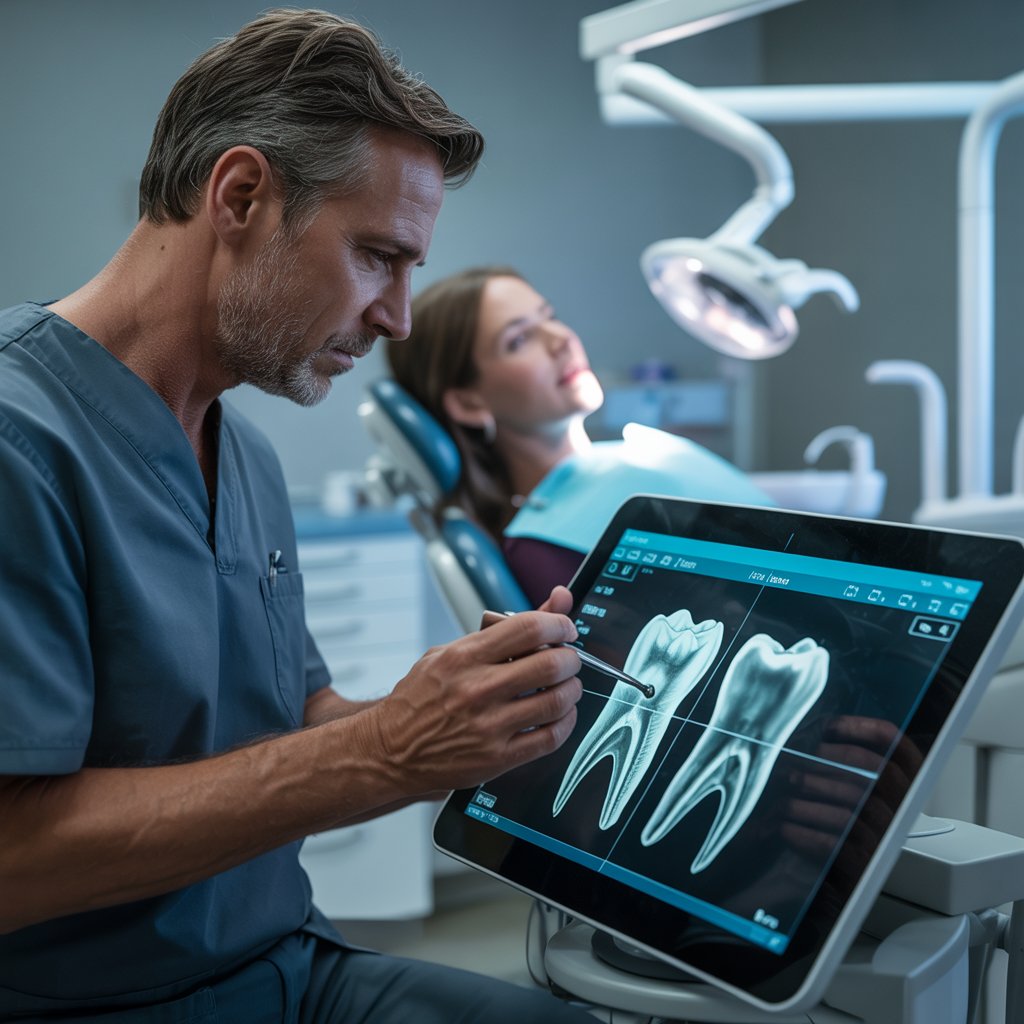
That usually means a visual exam, percussion and bite testing, and dental X-rays. X-rays do not show every crack clearly, which surprises many patients. Some fractures are diagnosed more by symptoms and exam findings than by a dramatic image. If a patient reports a sharp zing when releasing pressure after biting on something, that pattern can point strongly toward a crack. Transillumination, where light is shone through the tooth, can also help reveal fracture lines.
The age of existing dental work matters, too. Teeth with large fillings are more prone to fracture because there is less intact tooth structure left to absorb force. A molar with a filling covering half or more of the chewing surface is a common candidate for cuspal fracture. Bruxism, or clenching and grinding, raises the risk further. So do sudden changes in bite, untreated decay beneath a restoration, and habits like chewing ice.
Repair options depend on how much healthy tooth remains
Patients are often relieved to hear that many fractured teeth can be saved. The method depends on the severity of the damage.
For small chips or fractures limited to the outer layers, bonding may be enough. Tooth-colored composite can rebuild a corner of an incisor or close off a sensitive area. This is often done in one visit and can look very natural, especially on front teeth. The trade-off is durability. Bonding is conservative and efficient, but it is not as strong as a full-coverage restoration when a large part of the tooth is missing.
For back teeth with significant structural loss, a crown is frequently the best repair. A crown covers and protects the remaining tooth, reducing flex and helping prevent the fracture from spreading. In emergency settings, a temporary protective solution may be placed first if the tooth is too sensitive or if the shape needs to be stabilized before final treatment.
If the fracture has irritated or infected the pulp, root canal treatment may be necessary before the crown. This tends to worry patients, but the more relevant issue is whether the tooth can function comfortably and predictably afterward. A root canal removes inflamed or infected pulp tissue and allows the tooth to be sealed. In the right case, it is a tooth-saving procedure, not a sign of failure.
Extraction enters the conversation when the crack extends too far below the gumline, when the tooth is split in a way that cannot be stabilized, or when the remaining structure is insufficient for a long-term restoration. When that happens, the next discussion should not stop at “the tooth has to come out.” It should move promptly to replacement options and timing. A missing tooth, especially in the back, can change the bite and invite drifting if ignored.
Front teeth and appearance add another layer of urgency
A fractured front tooth carries a different kind of emotional weight. Even when the pain is moderate, people become acutely self-conscious. They may have work, school, presentations, photos, or social events within hours. That matters. Emergency dental care is not only about infection and nerve pain. It is also about restoring basic function and confidence.
Repairing a front tooth well takes judgment. Shade, translucency, edge shape, and symmetry all matter more than they do on a hidden molar. A quick patch can get someone through the day, but a polished, natural-looking result may require a more detailed follow-up visit. In some cases, a fractured front tooth is best managed first with urgent bonding, then refined later for ideal esthetics after the tooth settles and the bite is rechecked.
Trauma to a front tooth can also injure the supporting tissues even when the tooth itself seems only chipped. If the tooth feels loose, looks pushed out of position, or changes color in the following days, it needs close evaluation. A seemingly modest accident can still affect the pulp or the ligament around the root.
Molars, old fillings, and the “it broke while chewing” emergency
A large share of urgent fracture cases involve back teeth with aging restorations. The story is familiar. A patient was eating something ordinary, sometimes not even particularly hard, and felt a crunch that clearly did not come from the food. Then part of the tooth was suddenly gone.
What failed was often not just the filling. It was the combination of old restorative margins, years of chewing force, and thin remaining tooth walls. This is one reason dentists sometimes recommend crowns on heavily restored molars before they break. Patients understandably hesitate when a tooth is not Emergency dentist Plano, TX hurting. Yet from a structural standpoint, a preventive crown can be far simpler than managing a tooth after one cusp has fractured off at dinner.
There is a useful distinction here. A tooth can feel fine right up until the moment it is not. Structural weakness does not always announce itself with pain. Once the break happens, the options may narrow. A case that might once have needed a crown alone may now need crown lengthening, root canal treatment, or may no longer be restorable. That does not mean every large filling needs a crown immediately, but it does mean risk should be discussed honestly.
When a temporary fix is appropriate, and when it is not
Emergency dentistry often involves a staged approach. Not every fractured tooth gets its final restoration on day one, and that is not poor care. It is often the most sensible approach. If the tooth is inflamed, if the gums are bleeding, if the exact extent of the crack is still being determined, or if a lab-made restoration is planned, a temporary measure may be the best first step.
Temporary smoothing, protective bonding, a sedative material, or a temporary crown can buy time and comfort while preserving options. These are valuable tools. The problem comes when patients mistake “temporary” for “finished.” A tooth stabilized in an emergency still needs follow-through. Delays can lead to leakage, recurrent pain, shifting bite forces, or another fracture event.
There are also cases where a temporary patch is a poor substitute for definitive care. If the crack is running through a cusp under load, simply filling over the area without controlling the tooth’s flex may not last. If the nerve is already irreversibly inflamed, covering the area may reduce symptoms briefly while the deeper problem continues. Good emergency care includes knowing when to be conservative and when to move decisively.
Questions worth asking during an emergency visit
Patients are often in pain and not thinking clearly in the chair. That is understandable. Still, a few focused questions can help you leave with a clearer plan.
- Is the tooth likely restorable long term, or is the repair mainly a short-term measure?
- Do the symptoms suggest I may need a root canal, even if we are not doing it today?
- What foods and activities should I avoid until the final repair is complete?
- What warning signs over the next few days should prompt me to call back immediately?
- If this crown, bonding, or temporary fails, what is the next step?
These questions matter because urgency can make everything feel compressed. A patient may hear “we fixed it” and assume the problem is behind them, when the real message should be “we stabilized it, and now we need to protect the result.” The difference is important.
Special situations that change the treatment decision
Some fractured teeth fall outside the usual pattern. A patient with a history of grinding may need a night guard after repair, otherwise even excellent dental work is working against heavy repeated force. Someone with gum recession and a fracture near the root surface may have a different prognosis than a younger patient with the same chip limited to enamel. A tooth that already had root canal treatment can fracture in a way that behaves differently from a vital tooth because the remaining structure may be more brittle.
Pregnancy, blood thinners, diabetes, and immune suppression can also influence how urgent care is coordinated. This does not mean treatment cannot be done. It means communication matters. Pain control, infection risk, imaging decisions, and healing considerations may need a more tailored approach.
Children and teenagers present their own considerations. A fractured permanent tooth in a younger patient may have a different pulp response than the same injury in an older adult. Sports injuries can also involve the lips, cheeks, and jaw joint, not just the teeth. If a tooth has been knocked loose or displaced, timely repositioning can affect the outcome.
Why speed matters, even when pain is tolerable
One of the biggest mistakes people make with fractured teeth is assuming the level of pain reflects the level of damage. It often does not. A tooth can be badly compromised and only mildly uncomfortable, especially early on. Another can be exquisitely sensitive from a more limited fracture that is still quite repairable.
The reason prompt care matters is that teeth do not heal structurally the way a cut on the skin heals. Once enamel and dentin are fractured, the goal is not natural self-repair. The goal is sealing, supporting, and restoring. Every day of chewing on an unprotected fracture is another day of stress on an already weakened structure. Saliva, bacteria, temperature changes, and food particles can all worsen the situation.
Patients sometimes say they wanted to “see if it settles down.” If the symptom is a transient gum irritation or a small cold-sensitive spot, that instinct is understandable. With a fractured tooth, though, waiting can narrow options. The best-case result from an urgent visit is often that the needed repair stays simple.
Finding the right kind of emergency dental care in Plano
When searching for an Emergency dentist Plano, TX, availability matters, but so does scope of care. Fractured teeth can require more than pain medication and a quick look. The office should be equipped to evaluate the tooth thoroughly, explain whether the damage is cosmetic, structural, or pulpal, and either provide definitive treatment or a well-reasoned stabilization plan.
Practical details help. Ask whether the office handles same-day fracture evaluations, whether it can take diagnostic images during the visit, and what options exist if a crown or root canal appears likely. Emergency care works best when the immediate visit and the next step are connected, not left vague.
It is also reasonable to ask how the office handles after-hours concerns. A tooth repaired late in the day may flare that evening once the anesthetic wears off. Patients feel more at ease when they know what level of soreness is expected and what symptoms are not.
The longer view after the urgent repair
Once the immediate problem is under control, the focus shifts to prevention. Fractures are not always random bad luck. Many are the end point of patterns that can be addressed: heavy grinding, old large fillings, bite imbalances, untreated decay around restorations, and repeated chewing on ice, pens, or hard candy.
A repaired tooth should be monitored, especially if the fracture was close to the nerve. Sometimes a tooth tests normal after the injury and becomes symptomatic weeks later. That does not automatically mean anything was missed. Teeth can declare themselves over time after trauma. Follow-up matters because prognosis is not always finalized in one visit.
For patients who have had one significant fracture, it is worth looking at the rest of the mouth through a structural lens. Which teeth have extensive restorations? Which areas show signs of wear? Is there a reason one side of the bite is taking more force? That broader view is often what prevents the next emergency.
A broken tooth is disruptive, painful, and often expensive, but it is also manageable when handled quickly and thoughtfully. The right emergency response is not just about getting out of pain that day. It is about giving the tooth, and the patient, the best odds of a stable result that lasts.
Vitality Dental
1220 Coit Rd # 106, Plano, TX 75075, United States
+1 972-645-4100
FAQ About Emergency dentist Plano, TX
Will the ER do anything for dental pain?
An emergency department can assess urgent symptoms and provide medical stabilization. Definitive treatment of the tooth usually requires a dentist. Seek emergency medical care for breathing or swallowing difficulty, uncontrolled bleeding, or serious facial injury.
What to do if I have a dental emergency in the middle of the night?
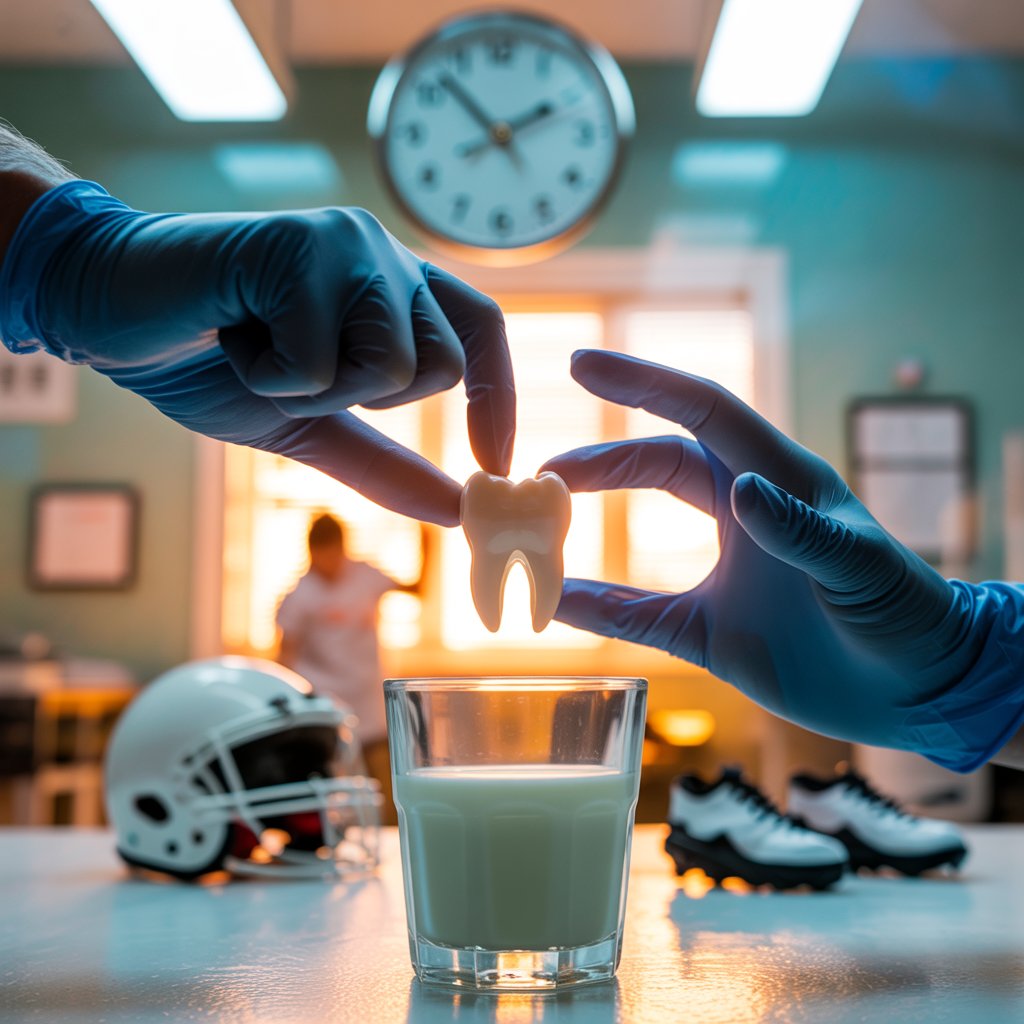
Contact a dentist or after-hours dental service promptly for guidance. If a permanent tooth is knocked out, keep it moist in milk while seeking immediate care. If symptoms suggest a medical emergency, go to an emergency department.
What qualifies as a dental emergency?
A knocked-out permanent tooth, severe or persistent tooth pain, a significant dental injury, or swelling may require urgent dental assessment. Call a dentist to describe the symptoms and determine timing. Uncontrolled bleeding or difficulty breathing or swallowing requires emergency medical care.